Leasehold Property law. Personally delivered.

Case Study

Retrospective Consent Obtained to Save a Sale

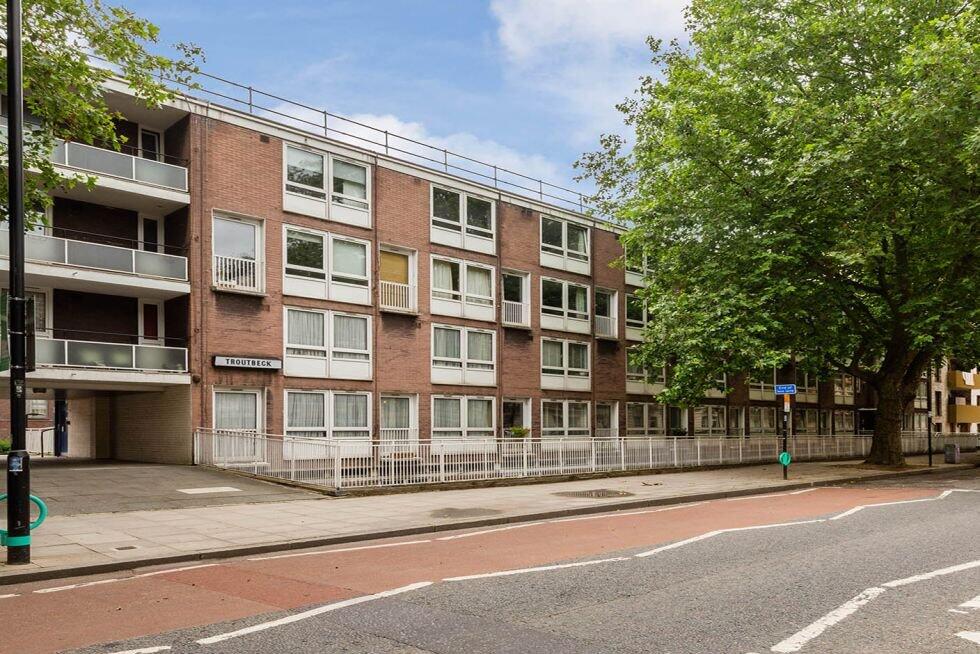
Troutbeck, Albany Street NW1. The buyer’s solicitors found alterations carried out without consent — and the buyer would not accept an indemnity policy in place of the real thing.

On a saleRaised by the buyer’s solicitors
RefusedBuyer would not take an indemnity policy
No premiumLandlord charged none
Costs onlyClient covered professional costs

At a glance

Service
Retrospective licence to alter
Location
Troutbeck, Albany Street, London Borough of Camden, NW1
Property
Flat in a purpose-built block
Acting for
The leaseholder, who was selling
Problem
Alterations had been carried out without the landlord’s consent, and the buyer insisted on genuine consent rather than an indemnity policy
Outcome
A retrospective licence to alter obtained from the freeholder. No premium was charged; our client covered the landlord’s professional costs, and the sale proceeded
Troutbeck, Albany Street

The situation

Our client was selling a flat at Troutbeck when the buyer’s solicitors identified alterations that had been carried out without the landlord’s consent.

This is one of the most common ways a leasehold sale comes off the rails, and it rarely involves anybody behaving badly. Works get done. Consent is either never sought or sought and never documented. Years pass, the flat changes hands once or twice, and the breach travels with the lease to whoever happens to own it when a buyer’s solicitor finally asks the question.

Why the usual shortcut was closed

The standard answer to a historic breach is an indemnity policy — insurance against the landlord ever enforcing it. It is quick, it is comparatively cheap, and for a great many buyers and lenders it is enough.

Here it was not. The buyer insisted on actual consent, which closed the cheap route entirely and left nothing to negotiate about. That is the buyer’s prerogative, and it is not unreasonable: a policy protects against enforcement, but it does not make the works lawful under the lease, and it does nothing about the landlord’s ability to refuse consent for future alterations by reference to the existing breach.

So the licence had to be obtained, from a landlord under no obligation to hurry, while a sale waited.

The practical point. An indemnity policy is not something you can count on. It is only available if the other side accepts it, and you find out whether they will at the worst possible moment.

What we did

We approached the freeholder, established what they required to grant consent after the event, and obtained a retrospective licence to alter.

The landlord charged no premium, which was a good outcome and not a given — a freeholder asked to regularise a breach on a seller’s timetable is in a strong position and does not always use it lightly. Our client covered the landlord’s professional costs, which is the ordinary position where a leaseholder asks a landlord to do something for their benefit.

The sale proceeded.

When this applies to you

It is a timing problem more than a legal one

Everything about this was more expensive and more stressful than it needed to be, because it was being done against a buyer’s timetable by a seller with no leverage. The same licence obtained two years earlier would have cost the same money and none of the anxiety.

If you know works were done to your flat — by you or by whoever owned it before — and you cannot lay hands on a licence, deal with it before you market the property rather than during. It is the cheapest thing you will ever do for a sale.

Common questions

What if works were done before I bought the flat?

The breach passes to you with the lease. It can usually be regularised by a retrospective licence, or covered by an indemnity policy if your buyer and lender will accept one. Either way it becomes your problem to solve.

Is an indemnity policy always available?

No. It depends entirely on whether the buyer and their lender will accept one. At Troutbeck the buyer insisted on genuine consent, which removed the option.

Will the freeholder charge for retrospective consent?

They may. Here no premium was charged, though our client covered the landlord’s professional costs, which is standard. A landlord asked to regularise a breach while a sale is waiting is in a strong negotiating position.

How long does it take?

It depends on the landlord and what evidence they require. That is precisely why it is better addressed before a sale, when there is no deadline attached to the answer.

Client names are not used in our case studies. Properties are identified by road, block and postcode only. Every matter turns on its own facts, and outcomes described here are not a prediction of what will happen in yours.

Arcadia Law

Leasehold property law, personally delivered

Every matter on this site was handled by the solicitor you would actually speak to. If your situation looks anything like this one, tell us where you have got to and we will tell you what the route through looks like — and what it is likely to cost — before you commit to anything.