
A Voluntary 990-Year Extension, Agreed in Two Weeks
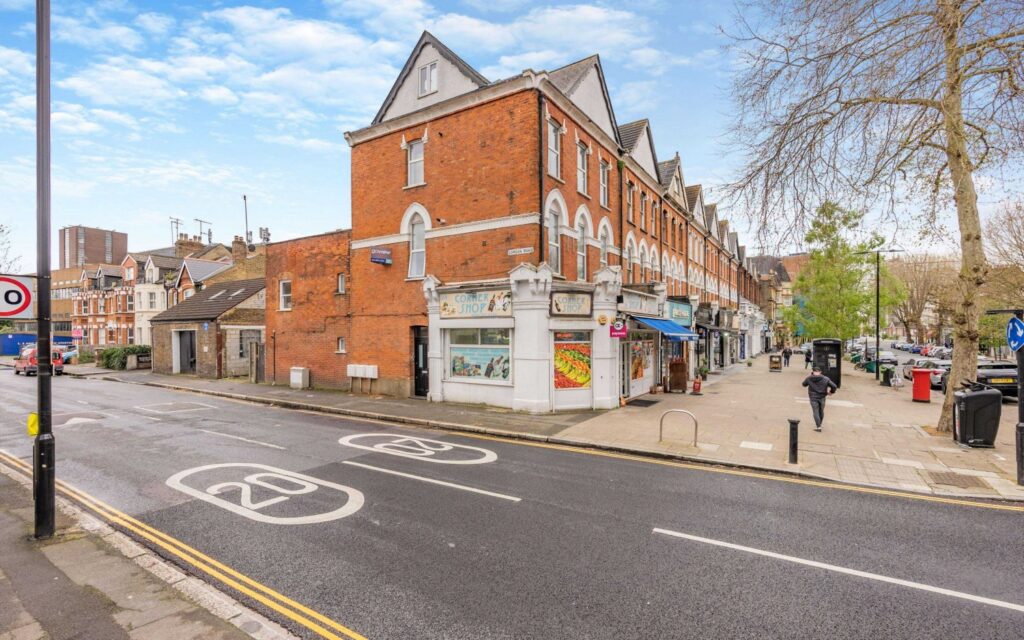
The Avenue, Ealing W5. Acting for the freeholder. Their leaseholder was selling and needed a renewal quickly — so our client offered better terms than the statute would have given, and the deal was done in a fortnight.
At a glance
- Service
- Voluntary lease extension, acting for the landlord
- Location
- The Avenue, Ealing, London Borough of Ealing, W5
- Client
- The freeholder
- Situation
- The leaseholder was selling and needed a lease renewal faster than a statutory claim could deliver
- Outcome
- Our client offered a 990-year extension at nil ground rent. Blakes Chartered Surveyors assessed the premium, the leaseholder agreed it, and the whole matter was settled within two weeks
Why the leaseholder could not wait
A statutory claim would have taken months this sale did not have. Buyers and their lenders react to lease length, and a leaseholder marketing a flat with a short lease either accepts a reduced price or fixes the problem first.
Serving a notice and assigning the benefit of the claim to the buyer is one answer, and we prepare those deeds regularly. But it is less useful than it once was, and buyers are frequently wary of inheriting somebody else’s claim with its deadlines and unresolved premium.
The faster answer, where the landlord is willing, is to deal with it directly.
Why we usually warn against the informal route — and why this one worked
We tell leaseholders to be careful of voluntary extensions, and the warning is well founded. There is no statutory timetable, so a slow landlord cannot be compelled and there is no mechanism to refer the matter to the Tribunal. Terms can appear late in the process. Undertakings given to the landlord’s solicitors mean the leaseholder carries wasted costs if the deal collapses. Where there is a mortgage, a deed of substituted security is needed, adding time and cost. Informal can be a false economy.
All of that is true, and none of it applied here, for one reason: the terms offered were better than the statutory entitlement rather than worse.
The statute would have given 90 years on top of the existing term at a peppercorn. Our client offered 990 years at nil ground rent. There was nothing for the leaseholder to give up by taking it, and a great deal of time to save.
The premium was assessed by Blakes rather than asserted by the landlord, which is the other half of what made it work. A figure a leaseholder can see the basis of is a figure they can accept quickly.
The practical point. A voluntary extension is a good deal when the landlord is genuinely trying to do a deal. The difficulty is that a leaseholder rarely knows which sort of landlord they have until several months have gone by.
The landlord’s side of it
Freeholders are often advised as though every leaseholder request is an opportunity to extract value. Sometimes it is. More often, on a modest reversion, the sensible commercial position is to conclude a fair deal quickly and move on.
Our client gained a properly documented transaction on terms of their choosing, at a premium supported by valuation evidence, without the cost and delay of a statutory claim they could not have resisted anyway. A leaseholder who is met halfway does not serve a notice, and a landlord who deals well with one leaseholder tends to find the next negotiation easier.
We act for landlords as well as leaseholders, checking for conflicts of interest first and declining where one would arise.
When this applies to you
Freeholder or leaseholder, the test is the same
Compare what is being offered with what the statute would give. If the voluntary terms are better — a longer term, no rent, a premium supported by a valuation — the informal route can be the faster and cheaper answer.
If they are worse, or vague, or the landlord will not commit to a timetable, the statutory route exists precisely because that is what landlords do when nothing obliges them otherwise.
Common questions
Is a voluntary lease extension better than a statutory claim?
Only where the landlord is genuinely trying to do a deal and the terms beat the statutory entitlement. A voluntary route has no timetable and no way of compelling a slow landlord, so it can waste months. Here 990 years at nil rent was better than the 90 years the statute would have given.
Can I extend my lease quickly if I am selling?
Sometimes, if the freeholder will engage. The alternatives are serving a statutory notice and assigning the claim to your buyer, or accepting a lower price. Which is right depends on your landlord and your timetable.
Do you act for freeholders?
Yes, subject to checking for conflicts of interest first. On this matter we acted for the landlord.
What does a voluntary extension cost?
Our fees start from £1,500 plus VAT, plus deed of substituted security fees where there is a mortgage. The premium itself is a separate matter and should be supported by a valuation rather than simply asserted.
Client names are not used in our case studies. Properties are identified by road, block and postcode only. Every matter turns on its own facts, and outcomes described here are not a prediction of what will happen in yours.