Leasehold Property law. Personally delivered.

Case Study

Reading Every Lease in a Block Before Answering a Simple Question

Surrey Court, Leatherhead KT22. A leaseholder asked the freeholder for a stairwell. Before anyone could say yes, two things had to be established — and the second catches most landlords out.

10+Leases reviewed
Fixed feeCost known before starting
Section 5AOffer notice served, two months
LandlordWe acted for the freeholder

At a glance

Service
Block-wide lease audit and advice to a freeholder
Location
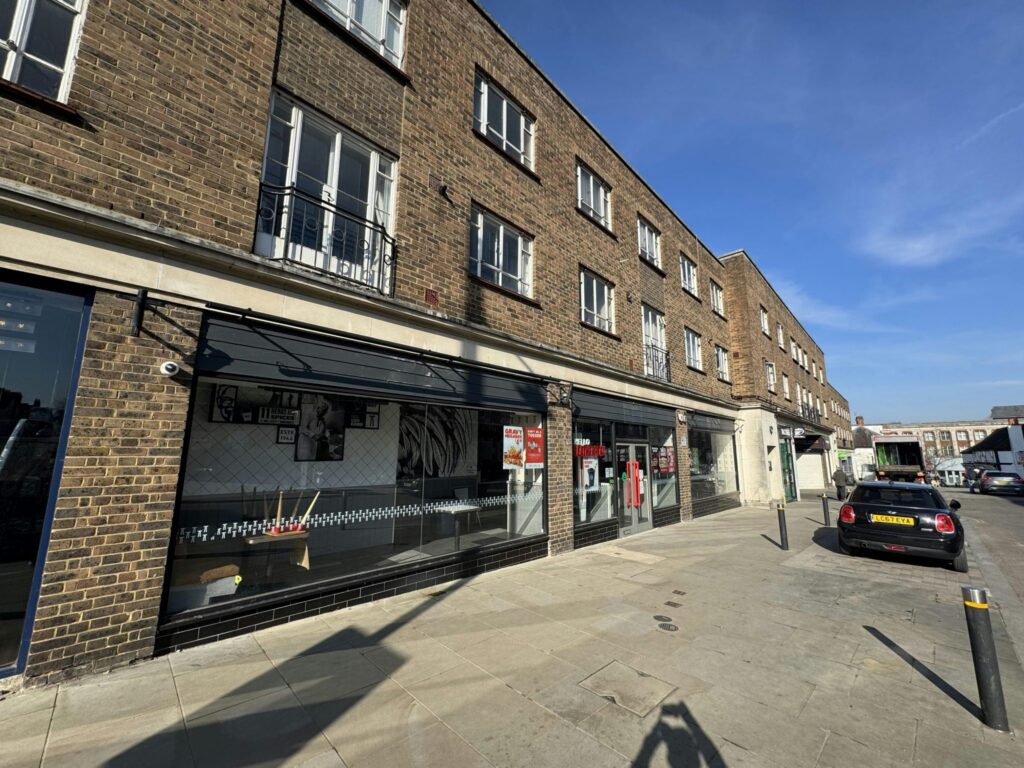
Surrey Court, The Crescent, Leatherhead, Mole Valley, Surrey, KT22
Property
Purpose-built block
Acting for
The freeholder
Trigger
A leaseholder asked for a stairwell to be granted to them
Scope
More than ten leases reviewed, on a fixed fee
Outcome
The grant was established as possible, a section 5A offer notice was served on the qualifying tenants, the two-month period expired without acceptance, and the freeholder was free to proceed
Surrey Court, Leatherhead

The situation

A leaseholder at Surrey Court asked the freeholder to grant them a stairwell within the building. The freeholder was willing in principle and came to us with what sounded like a simple question: can I?

It is rarely straightforward, and the reason is that the freeholder is not the only person with an interest in the answer.

Why every lease had to be read

A freeholder cannot grant what the leaseholders already have. Rights of way, rights of access, rights to use particular parts of the building — once granted by a lease, they bind the freeholder for the rest of that term, regardless of what any later leaseholder wants or what the freeholder would prefer.

The instinct is to read the lease of the flat making the request. That is the one lease that cannot answer the question, because the obstacle, if there is one, sits in somebody else’s.

Blocks are supposed to have identical leases. In practice they seldom do. Flats sold at different times were granted on different precedents; a solicitor acting on one sale in 1987 added a right that nobody else has; a plan was drawn differently. The only way to know what a freeholder is actually free to grant is to read all of them.

We reviewed more than ten leases, on a fixed fee, so the freeholder knew what the exercise would cost before deciding whether to undertake it.

The practical point. The answer might have been no. A lease audit is not a formality that clears the way — sometimes it establishes that a plan cannot proceed, and that is a good outcome reached cheaply rather than an expensive one reached late.

The step most freeholders do not know about

Establishing that the stairwell could be granted was not the end of it.

Granting a lease of common parts is a disposal by the landlord. Where a building has qualifying tenants, a disposal of that kind engages the right of first refusal under the Landlord and Tenant Act 1987 — which means the other leaseholders have to be offered it before it can be granted to the one who asked.

This catches a great many well-intentioned freeholders. The request seems reasonable, the freeholder is content, the two of them agree terms, and the grant is made without anyone considering that the other residents had a statutory right to be asked first. A disposal made in breach of the Act is not a technicality that goes away; it attaches to the property and can be raised years later by a leaseholder who was never given the opportunity.

The notice served here was a section 5A offer notice allowing two months. The period expired without acceptance, and the freeholder was then free to proceed.

When this applies to you

Before you grant, sell or develop any part of a building

Any freeholder with leaseholders in the building should establish two things first: what rights the existing leases have already given away, and whether the right of first refusal has to be dealt with before anything can be granted.

Both are answerable in advance for a known fee. Neither can be corrected afterwards.

Common questions

Can a freeholder grant part of the common parts to one leaseholder?

Sometimes, but not automatically. It depends on what rights the other leases have already granted over that part, and the grant is likely to be a disposal engaging the right of first refusal, so the other qualifying tenants must be offered it first.

Why review every lease and not just the one making the request?

Because the obstacle, if there is one, will be in another leaseholder’s lease. Blocks that were supposed to be granted on identical terms frequently were not, and the only reliable way to know what a freeholder can grant is to read all of them.

What happens if a landlord grants without serving notice?

The disposal is made in breach of the Act. The consequences attach to the property and can be pursued by qualifying tenants afterwards, so it is not something that resolves itself with time.

How is a lease audit priced?

On a fixed fee, as here, so the cost of finding out is known before the work starts. That matters when the answer may well be that the plan cannot proceed.

Client names are not used in our case studies. Properties are identified by road, block and postcode only. Every matter turns on its own facts, and outcomes described here are not a prediction of what will happen in yours.

Arcadia Law

Leasehold property law, personally delivered

Every matter on this site was handled by the solicitor you would actually speak to. If your situation looks anything like this one, tell us where you have got to and we will tell you what the route through looks like — and what it is likely to cost — before you commit to anything.