
The Complete Cycle: Qualify, Claim, Acquire, Renew
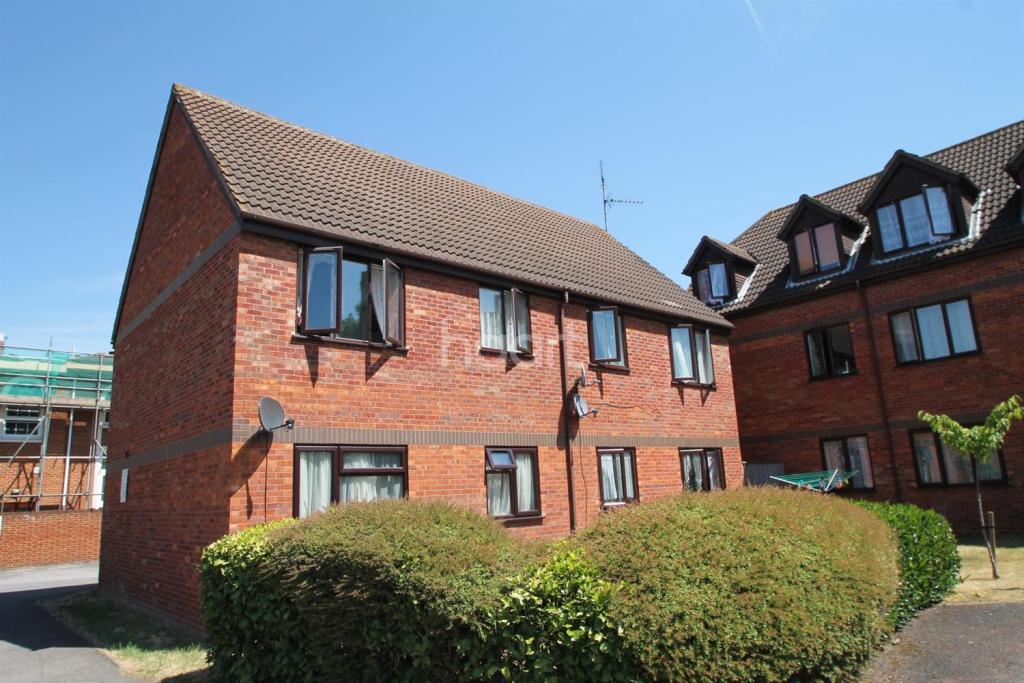
Portsmouth Court, Slough. Twelve leaseholders buying their freehold from an investment company landlord — and then, unusually, finishing the job properly.
At a glance
- Service
- Collective enfranchisement, followed by block-wide lease renewals
- Location
- Portsmouth Court, Slough, Berkshire
- Property
- Purpose-built block of twelve flats
- Landlord
- An investment company freeholder
- Participation
- High, which kept the funding straightforward and limited hope value
- Outcome
- Freehold acquired within twelve months, and every participant took a new lease afterwards
What a high participation rate is worth
At least half the flats must take part for a claim to proceed. Most claims scrape over that line and then spend a good deal of energy on the consequences. Portsmouth Court did not, and the difference ran through the whole matter.
Funding was simpler, because the price was divided across more contributors and nobody was asked to shoulder a disproportionate share.
Hope value was largely removed. Where leaseholders decline to participate, the landlord can claim compensation for the prospect that those flats will one day bring their own claims — value the participants have to pay for on behalf of neighbours who contributed nothing. The fewer non-participants, the smaller that element.
And the governance was easier. A freehold company owned by most of the building is more straightforward to run than one owned by a bare majority, where the members and the non-members sit in the same block with different interests.
The practical point. Getting one more flat to participate does more than spread the cost. It reduces the premium, because it removes a slice of hope value the rest of you would otherwise fund.
An investment company on the other side
The freeholder was an investment company. That is a different negotiation from a council or a private individual who inherited a reversion and takes little interest in it.
An investment freeholder holds the asset deliberately, understands its value, and is professionally advised. They will not be talked out of a properly arguable position, and they know the process as well as we do. What they also have, though, is a commercial view: a claim they cannot resist is a transaction to be concluded at the right number rather than a fight to be prolonged.
That tends to produce a businesslike negotiation, provided the leaseholders’ case is properly evidenced. It is exactly the wrong situation in which to arrive with an optimistic figure and no valuation behind it.
The claim completed within twelve months.
Finishing the job
Every participant took a new lease after completion. That is the part most blocks leave undone.
Buying the freehold does not lengthen a single lease. It changes who the landlord is, and the terms keep running down exactly as before. A block that stops at the transfer has bought control without buying security, and the omission surfaces years later when somebody tries to sell and a lender looks at the unexpired term.
Doing it immediately also limits chargeable gains accruing in the freehold company, which is a matter for separate tax advice but points the same way.
Portsmouth Court is the clearest illustration in this portfolio of the full arc: qualify, claim, acquire, renew. Four stages, of which most people only know about the middle two.
When this applies to you
Enfranchisement outside London
We act on freehold purchases across England and Wales. The legislation does not stop at the M25, and neither do the investment companies that own these buildings — the same landlords appear in Slough, Reading and Watford as in Wandsworth.
What differs outside London is usually the premium rather than the process, and occasionally the availability of comparable evidence. The claim itself runs the same way.
Common questions
How many leaseholders have to take part?
At least half the flats. Beyond that participation is voluntary, but a higher rate reduces the premium by limiting hope value and makes the funding and the governance considerably easier.
What is hope value?
Compensation to the landlord for the prospect that non-participating flats will bring their own claims in future. The participants pay it, on behalf of neighbours who did not contribute, so every additional participant reduces it.
Do you act outside London?
Yes, across England and Wales. This claim was in Slough, and the process is the same wherever the building is.
How long does a claim take?
This one took twelve months from instruction to completion, including a negotiated premium. Where terms have to be determined by the Tribunal it takes longer.
Client names are not used in our case studies. Properties are identified by road, block and postcode only. Every matter turns on its own facts, and outcomes described here are not a prediction of what will happen in yours.