
Eight Flats, Several Lenders, One Completion
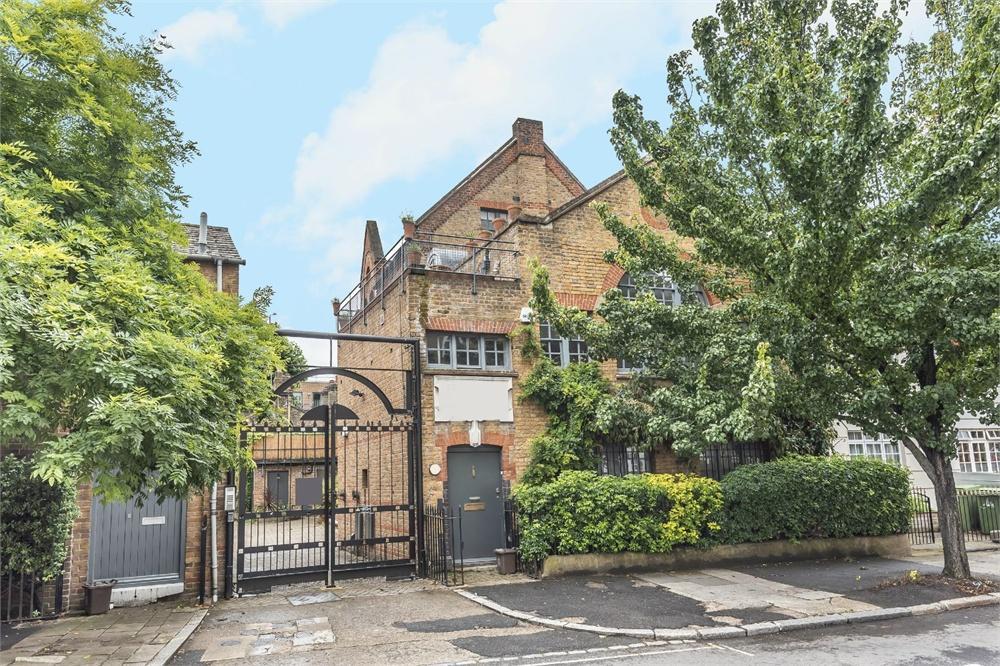
Grange Walk Mews, Bermondsey SE1. Renewing every lease in a block to 999 years is straightforward on one flat. Across eight, with different lenders on some and none on others, it becomes an exercise in keeping everybody in step.
At a glance
- Service
- Block-wide lease renewal following a freehold purchase
- Location
- Grange Walk Mews, Bermondsey, London Borough of Southwark, SE1
- Property
- Mews development of eight flats
- Client
- The leaseholder-owned freehold company
- Complication
- A mix of mortgaged and unencumbered flats, with several different lenders involved
- Outcome
- Every deed of substituted security arranged and approved, allowing all eight renewals to 999 years at a peppercorn to proceed together
Why the leases still needed renewing
The leaseholders at Grange Walk Mews had bought their freehold. That gave them control of the building and removed the landlord from the picture, but it did nothing at all to the length of their leases — which continued running down exactly as before.
Owning the freehold and holding a long lease are different things, and a flat is bought, sold and mortgaged on the lease rather than on a share of the freehold company. Until the new leases are granted, every flat in the building still has whatever term it had on the day the purchase completed.
New 999-year leases at a peppercorn were granted by the company the residents now owned, to themselves as its members.
Eight flats is a coordination problem
The legal mechanism is identical whether there is one flat or eight. What changes with number is the number of people and institutions who have to be ready at the same moment.
Some flats were mortgaged and some were not. Each mortgaged flat required a deed of substituted security, because a lender’s charge is secured against the lease being surrendered and would otherwise disappear with it. Each lender had its own consent process, its own documentation requirements and its own timescale, and none of them had any interest in the fact that seven other flats were waiting.
Run sequentially, that becomes a chain in which the slowest lender sets the pace for the whole block and the flats that were ready first sit idle for months. Run in parallel — every consent requested at once, every lender chased separately, the unencumbered flats prepared alongside rather than afterwards — the block completes as one.
Every deed of substituted security was arranged and approved, and all eight renewals proceeded.
The practical point. On a block-wide renewal, start every lender consent on day one. The legal work is not what takes the time; waiting on lenders is, and they can only be waited on concurrently.
Cost, and why doing them together is cheaper
Lease renewals of this kind start from £950 plus VAT per lease, plus disbursements and deed of substituted security fees where a lender is involved. We discount for multiple and block instructions, because eight renewals of the same form in the same building genuinely cost less to produce than eight unrelated ones.
There is also a reason not to let some flats hang back. Where the freehold is held through a company, granting the new leases promptly limits chargeable gains accruing in it — a matter for separate tax advice, but one that points the same way as the practical argument. A block that renews together renews once.
When this applies to you
If your block has bought its freehold
Get every leaseholder to confirm whether their flat is mortgaged, and with whom, before anything else. That single piece of information determines the timetable, because the lenders are the constraint and they cannot be hurried once the process has started.
Then renew everything at once. A block that leaves three flats for later ends up paying for the exercise twice and explaining the gap to a buyer’s solicitor in the meantime.
Common questions
Can a freehold company grant leases to its own members?
Yes. Once the freehold transfer is registered, the company grants new long leases to the leaseholders — typically 999 years at a peppercorn. It is a straightforward process but a separate one from the purchase.
What if only some of us have mortgages?
Only the mortgaged flats need a deed of substituted security. The unencumbered flats are simpler, but they should still be prepared alongside so the whole block can complete together rather than in stages.
Do all the flats have to renew at the same time?
No, but it is cheaper and cleaner if they do. Renewing together attracts a block discount and avoids the position where some flats have 999 years and others still have the original term.
How much does a block-wide renewal cost?
From £950 plus VAT per lease, plus disbursements and deed of substituted security fees where a lender is involved, with discounts for multiple and block instructions.
Client names are not used in our case studies. Properties are identified by road, block and postcode only. Every matter turns on its own facts, and outcomes described here are not a prediction of what will happen in yours.