
Working Alongside a Managing Agent for a Wimbledon Freehold Company
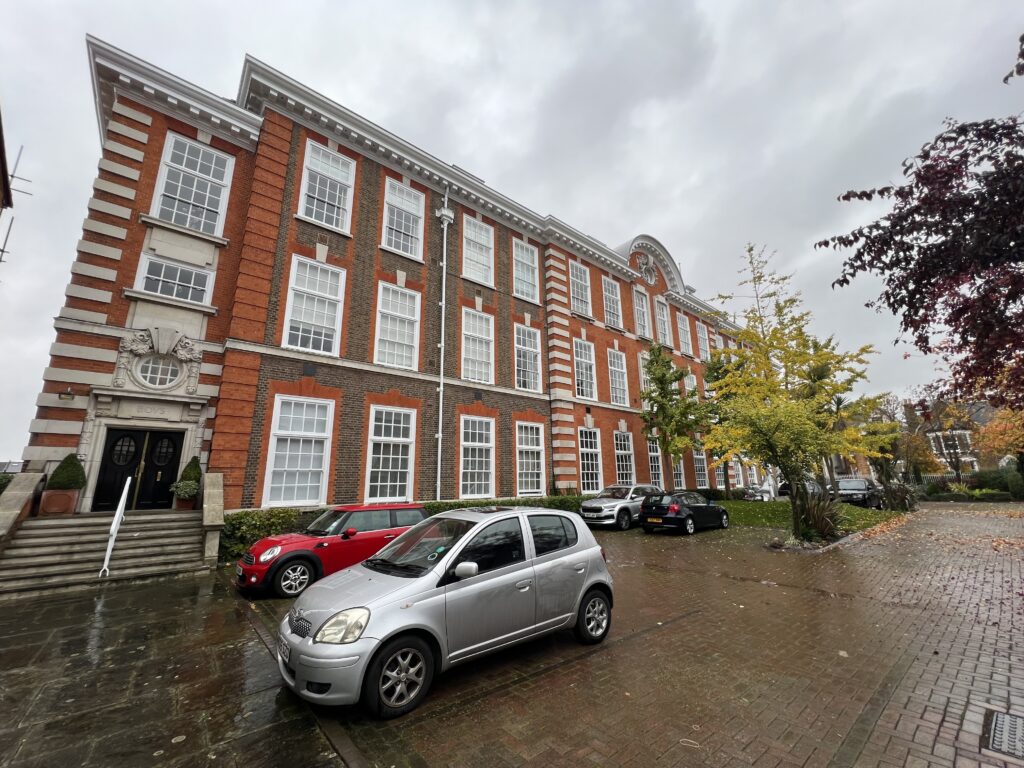
Downings House, Wimbledon SW19. A resident freehold company, a block management company, and a division of labour that works when everyone knows where the line falls.
At a glance
- Service
- Ongoing legal support to a resident freehold company
- Location
- Downings House, Wimbledon, London Borough of Merton, SW19
- Client
- The resident freehold company, working in tandem with the block management company
- Work
- Licences to assign, deeds of covenant and the transactional documentation the leases require whenever a flat changes hands
Where the agent stops and the solicitor starts
A managing agent runs a building. They collect the service charge, instruct contractors, arrange insurance, deal with the day-to-day and keep the accounts. That is a substantial job and a good agent is worth a great deal to a resident-run company.
What an agent does not do is give legal advice, and their professional indemnity cover does not extend to it. When a licence to assign has to be granted, a deed of covenant drafted, a notice of transfer and charge dealt with, or a restriction on the title complied with, those are legal documents with legal consequences — and the company, not the agent, carries the liability if they are wrong.
The arrangement that works is the one in place here. The agent identifies what is needed and when, the solicitor produces it, and the directors are not left deciding which of the two they should have asked.
The practical point. Having an agent does not mean the company has legal cover. The two roles are complementary, and the gap between them is where resident directors get caught out.
Why this work sits on somebody else’s critical path
Almost everything in this instruction is generated by a sale. A flat goes under offer, and the buyer’s solicitor needs a licence to assign, a deed of covenant binding the incoming leaseholder to the terms of the lease, and confirmation that any restriction on the title will be complied with on registration.
None of it is complicated. All of it is urgent, because a chain is waiting on it.
That changes what good service means. A deed of covenant produced perfectly in three weeks is worse, from the seller’s point of view, than one produced properly in three days. Chains collapse over less, and the freehold company gets the blame from its own member.
So the measure here is turnaround rather than ingenuity, and the reason it is achievable is that the leases have already been read and the precedents already settled. Nothing starts from scratch.
What resident directors actually need
The directors of a company like this are residents. They did not set out to run a company, they are not paid, and most of them have full-time jobs elsewhere.
What they need is not a firm that will explain the law to them at length. It is one that can answer a question the same day, produce the document the agent has asked for, and tell them clearly when something genuinely does require a decision from the board rather than being handled.
They also need to be told when they are about to do something as a company that they cannot do — refuse a consent they are obliged to give, or act on a member’s preference rather than the company’s duty. That is where a retained relationship earns itself, and it happens in conversations rather than in documents.
When this applies to you
If your block owns its own freehold
Work out now who produces the licence to assign when the next flat sells. If the answer is your managing agent, check whether they are actually willing to — and whether they are insured for it.
The alternative is finding out during somebody’s sale, which is how most freehold companies end up instructing a solicitor in the first place.
Common questions
Does our freehold company need a solicitor if we have a managing agent?
For the legal documents, yes. Agents run the building; they do not give legal advice and their insurance does not cover it. Consents, covenants and title restrictions are legal work and the company carries the liability for getting them right.
What is a deed of covenant?
A document by which an incoming leaseholder agrees directly with the freehold company to observe the terms of the lease. Most leases require one on every assignment, and the title restriction usually prevents registration without it.
How quickly can consents be produced?
Quickly, where the leases are already known. That is the practical benefit of a retained arrangement — the documents are not drafted from scratch each time.
What does it cost?
Work for landlords and resident management companies is quoted on application, because the volume varies enormously between buildings.
Client names are not used in our case studies. Properties are identified by road, block and postcode only. Every matter turns on its own facts, and outcomes described here are not a prediction of what will happen in yours.