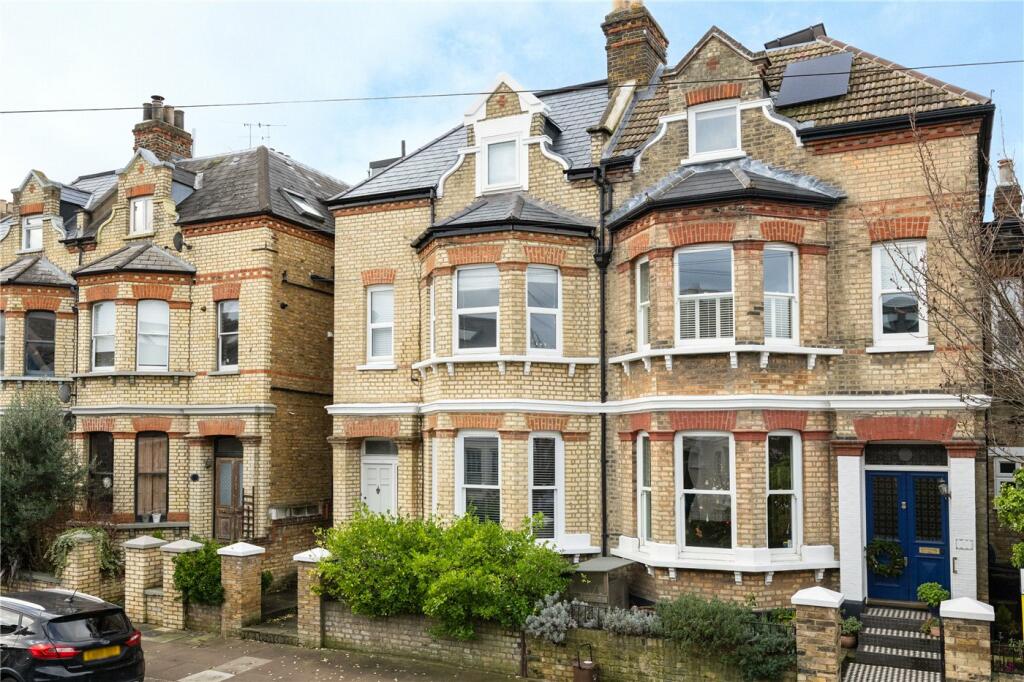
Granting Yourselves 999-Year Leases After Buying the Freehold
Cromford Road, Wandsworth SW18. Two leaseholders had bought their freehold and assumed the job was finished. It was not — buying the freehold does not lengthen anybody’s lease.
At a glance
- Service
- Block-wide lease renewal following a freehold purchase
- Location
- Cromford Road, Wandsworth, SW18
- Property
- Two-flat period conversion
- Client
- The two leaseholders, who had already acquired the freehold
- Complication
- One flat was mortgaged, so a deed of substituted security was required
- Outcome
- New 999-year leases at a peppercorn granted to both flats. We expedited registration of the freehold transfer at HM Land Registry so the new leases could be registered without waiting out the standard queue. Handled on a fixed fee

The freehold is not the finish line
It is the single most common misunderstanding in leasehold, and it catches people who have just spent months and a significant premium getting to completion.
Buying the freehold changes who the landlord is. It does not change the length of anybody’s lease. If you had 72 years before the purchase, you have 72 years after it — the difference being that you now own the company or the title that will one day take the flat back from you.
Left alone, the leases keep running down. Years later somebody tries to sell, a buyer’s lender looks at the unexpired term, and the whole exercise has to be completed properly under time pressure.
The remedy is straightforward once the freehold is registered: the owners grant themselves new long leases. At Cromford Road that meant 999 years each, at a peppercorn ground rent.
The practical point. If you have bought your freehold and nobody has mentioned new leases, ask. The step is simple and cheap now, and expensive and urgent later.

The mortgage problem, and how it is solved
One of the two flats was mortgaged, which introduces the step that catches people out.
A lender’s charge is secured against the lease. If that lease is surrendered and a new one granted in its place, the security disappears with it unless the lender is brought into the transaction. The mechanism is a deed of substituted security: the lender consents, and the charge moves across to the new lease.
It is not difficult, but it is not automatic either. The lender has its own process and its own timescale, and it will not be hurried by the fact that everybody else is ready. On a two-flat building that means one lender determines the pace for both.
We arranged and obtained it, and both renewals completed together.
Expediting the registration
There is a sequencing problem in this work that is easy to miss. The freehold company cannot grant new leases out of a title that is not yet registered in its name, and Land Registry delays on transfers have been substantial.
We applied to expedite registration of the freehold transfer, which brought the application forward and allowed the new leases to be granted and registered without waiting out the standard queue.
There is also a tax reason for not letting this drift. Granting the new leases promptly after a purchase limits chargeable gains accruing in the freehold company — a point on which tax advice should be taken separately, but one that argues for doing the job now rather than next year.
The work was handled on a fixed fee, so the clients knew the cost before starting.
When this applies to you
If you have just bought your freehold
Three things follow, and none of them happen by themselves. New long leases have to be granted. Every mortgaged flat needs a deed of substituted security so the lender’s charge moves across. And the freehold transfer has to be registered before any of it can proceed, which may need expediting.
Done together, immediately after completion, it is a short and inexpensive piece of work. Done years later, in the middle of somebody’s sale, it is neither.
Common questions
We bought our freehold. Are our leases now longer?
No. The leases continue exactly as before. New long leases have to be granted as a separate step once the freehold transfer is registered — typically 999 years at a peppercorn.
What is a deed of substituted security?
The document by which a lender’s charge moves from the old lease to the new one. Without it the lender’s security would disappear when the old lease is surrendered, so any mortgaged flat needs one and the lender’s consent is required.
How long does it take?
The renewals themselves are straightforward. The timing is usually driven by Land Registry registration of the freehold transfer, which can be expedited, and by any lender whose consent is needed.
What does it cost?
From £950 plus VAT per lease renewal, plus disbursements and deed of substituted security fees where applicable. Discounts apply where several flats are renewed together.
Client names are not used in our case studies. Properties are identified by road, block and postcode only. Every matter turns on its own facts, and outcomes described here are not a prediction of what will happen in yours.