
Five Leaseholders Offered Their Building, and Four Months to Buy It
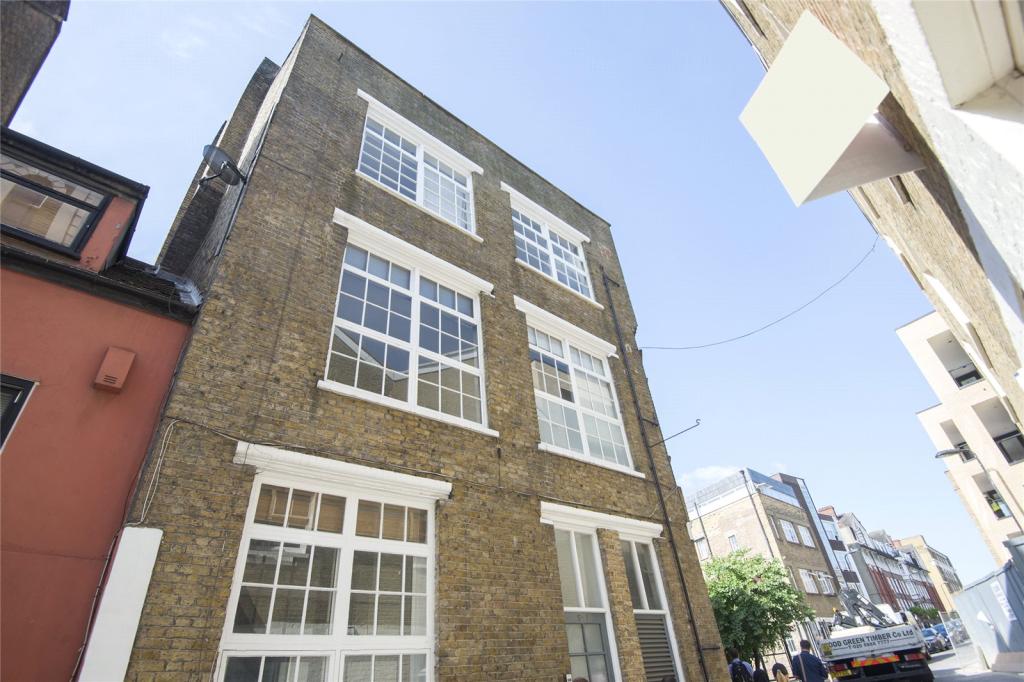
Coopers Yard, Hackney E8. When a landlord decides to sell, the leaseholders get first refusal — on a deadline measured in weeks. Here all five took it.
At a glance
- Service
- Right of first refusal under the Landlord and Tenant Act 1987
- Location
- Coopers Yard, Hackney, E8
- Property
- Converted yard development of five flats, no commercial units
- Acting for
- The five leaseholders, all of whom participated
- Valuation
- Blakes Chartered Surveyors valued the disposal and apportioned it between the flats
- Outcome
- Offer accepted and the whole matter transacted within four months
A right you cannot trigger
The right of first refusal is the least understood right in leasehold law, largely because it works backwards from everything else.
Leaseholders cannot start it. It arises only because the landlord has decided to sell, and it obliges them to offer the building to the qualifying tenants before anyone else. The offer comes by formal notice, and the period to accept is short — usually two months, with a further period to nominate whoever will actually take the freehold.
So unlike collective enfranchisement, which can be planned for years and started whenever the leaseholders are ready, this is a window that opens without warning and closes on a fixed date. Miss it and the landlord is free to sell to whoever they like, typically another investor.
At Coopers Yard the leaseholders acted, and all five of them participated.
The practical point. If a notice arrives from your landlord offering you the building, establish the deadline that day. More of these rights are lost to inaction than to any decision.
Why everyone participating changes the problem
Full participation removes the hardest question in most freehold purchases — who funds the shares of those who will not — and replaces it with a smaller one: five people who now have to agree with each other about everything.
There were no commercial units, so qualification was straightforward and there was no floor-area arithmetic to argue about.
What remained was the price and how it should be divided. Blakes Chartered Surveyors valued the disposal and apportioned it between the flats, so each leaseholder could see exactly what their fair contribution was rather than being asked to accept a figure on trust.
That is what makes a claim of this size move quickly. Five households can decide in days if the arithmetic is visible and defensible. The same five will take months if somebody suspects they are subsidising a neighbour.
Four months, and why that was possible
The offer was accepted and the whole matter transacted within four months — considerably faster than a typical collective enfranchisement claim, and there are reasons for that beyond the size of the building.
A right of first refusal acquisition starts with a willing seller. The landlord has already decided to dispose of the building and set a price. There is no reluctant freeholder to be brought to the table, no counter-notice, and no premium to be determined by a Tribunal if agreement cannot be reached.
What replaces all of that is the deadline. The pressure moves from the negotiation to the organisation, which is a better problem to have but only if it is recognised in time.
When this applies to you
Reading a section 5 notice
Three things to establish immediately. The date by which acceptance must be given. Whether a majority of the qualifying tenants can be assembled in time. And whether the price is one the building would pay — which needs a valuer, not a view.
Everything else can be worked out afterwards. The date cannot, and there is no general power to extend it because leaseholders were slow to organise.
Common questions
What is the right of first refusal?
Where a landlord of a qualifying building proposes to sell, the Landlord and Tenant Act 1987 requires them to offer it to the leaseholders first, by formal notice, with a fixed period to accept.
How is it different from collective enfranchisement?
Collective enfranchisement can be started by the leaseholders whenever they choose. The right of first refusal only arises because the landlord has decided to sell, and it runs on a much shorter deadline.
What happens if we miss the deadline?
The right falls away and the landlord may sell to whoever they choose. There is no general power to extend the period, which is why establishing the date is the first thing to do.
Do we need a valuer if the landlord has already set a price?
Yes, for two reasons: to know whether the price is worth paying, and to apportion it fairly between the flats. Nobody funds a purchase on trust, and a defensible apportionment is what allows a group to decide quickly.
Client names are not used in our case studies. Properties are identified by road, block and postcode only. Every matter turns on its own facts, and outcomes described here are not a prediction of what will happen in yours.