
Forty-Eight Flats on the River, and the Consents Behind Every Sale
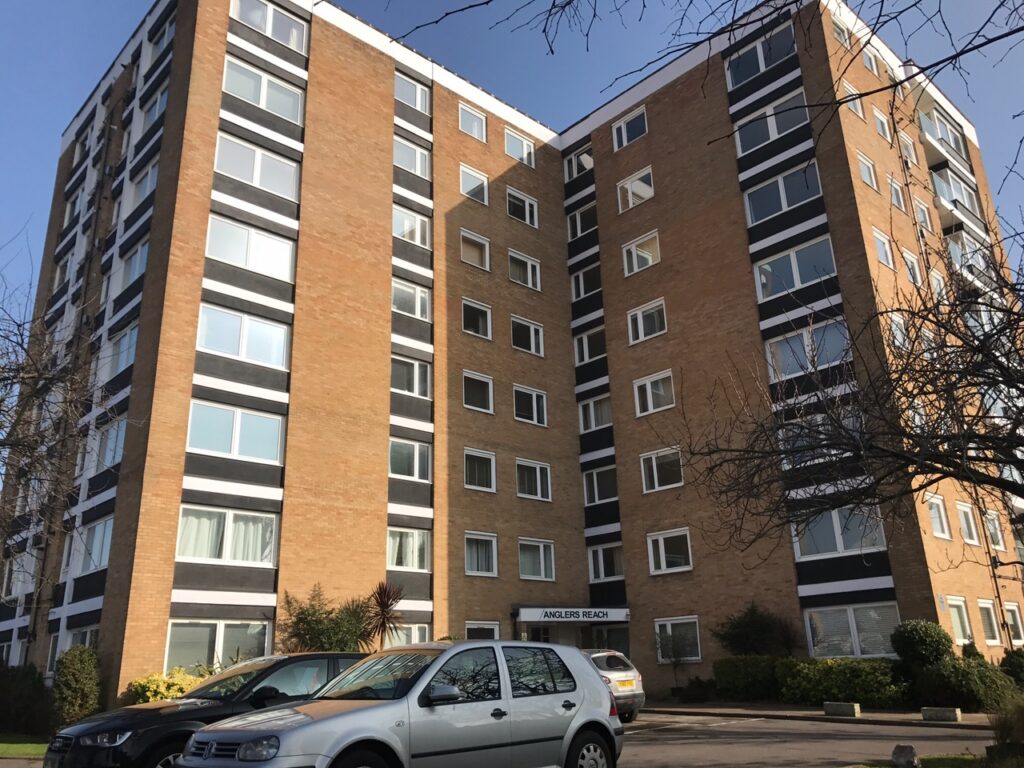
Anglers Reach, Surbiton KT6. Transactional work for a riverside freehold company, where the measure of a good job is how fast it comes back.
At a glance
- Service
- Block and estate management legal services
- Location
- Anglers Reach, Surbiton, Royal Borough of Kingston upon Thames, KT6
- Property
- Riverside development of 48 units
- Client
- The resident freehold company, working with the block management company
- Work
- Licences to assign, licences to alter, deeds of covenant and the associated notices and title compliance
Forty-eight flats means constant transactions
In a building of this size something is always being sold, remortgaged or altered. Assume a normal rate of turnover and that is a handful of sales a year, each generating the same short sequence of documents, plus alterations requests on top.
None of it is intellectually demanding. All of it is time-critical, because every one of those documents sits on the critical path of a transaction involving people who are not clients of ours and have no interest in why something is taking a fortnight.
A buyer’s solicitor cannot report on title without the licence to assign and the deed of covenant. A lender will not release funds until the title requirements can be satisfied. Exchange dates get set around the assumption that the freehold company will produce its documents on request.
Three weeks is enough to lose a chain. That is the standard this work is actually held to.
The practical point. Consents and covenants are not administrative afterthoughts. They are the last thing standing between a buyer’s solicitor and exchange, and they are the freehold company’s responsibility.
Why a retained arrangement is faster
The reason we can turn this work round quickly is not that we work harder than anybody else. It is that the reading has already been done.
The leases at this building have been examined. The restriction on the title is understood. The form of deed of covenant is settled and the precedents are drafted. When the managing agent asks for a licence to assign for flat twenty-six, nothing begins with two hours of finding out how this building works.
Instructed matter by matter, the same request means a file opened, a lease obtained and read, a title downloaded, a precedent adapted and a fee earner brought up to speed — every time. That is where the days go, and the leaseholder waiting to exchange pays for them in delay.
A riverside building, and what that adds
A development on the Thames carries considerations an inland block does not. Flood risk appears in searches and in insurance terms. There may be rights and obligations relating to the river frontage, moorings or access, and the freehold company’s title may include land that requires its own attention.
For transactional purposes what matters is that a buyer’s solicitor will raise these points on every sale, and the freehold company should have consistent answers rather than working them out afresh each time. Where a building has a recurring enquiry, the sensible thing is to settle the reply once and use it.
When this applies to you
If you run a block and sales keep stalling
Look at where the time actually goes. If your consents take weeks, it is rarely because the documents are difficult — it is because whoever produces them is starting from scratch each time.
Settle the precedents once, keep the leases and title to hand, and the same work comes back in days. Your leaseholders will notice, because they are the ones whose sales depend on it.
Common questions
What is a licence to assign?
The landlord’s formal consent to a leaseholder transferring their lease. Most leases require one on every sale, and a buyer’s solicitor cannot complete without it.
Why does the buyer have to sign a deed of covenant?
So that the incoming leaseholder is bound directly to the freehold company to observe the lease terms. The restriction on the title usually prevents registration of the transfer until it has been given.
Can our managing agent produce these documents?
They are legal documents and agents do not generally provide them, nor is their insurance intended to cover it. The usual arrangement, as here, is that the agent identifies what is needed and the solicitor produces it.
What does this work cost?
Block and estate management work is quoted on application, since the volume varies considerably between buildings. Where the volume is regular, a retained arrangement is usually the more economical route.
Client names are not used in our case studies. Properties are identified by road, block and postcode only. Every matter turns on its own facts, and outcomes described here are not a prediction of what will happen in yours.