
Service Charge Percentages That Did Not Add Up to 100
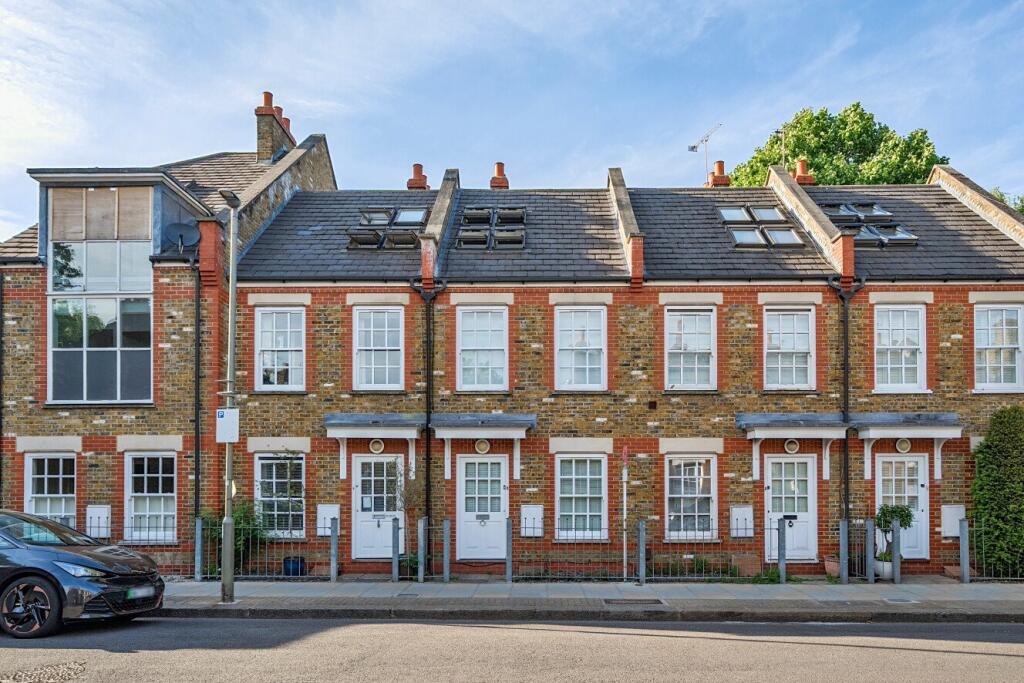
Burns Road, Battersea SW11. A block where the shares set out in the leases came to something other than the whole — which means every service charge demand was wrong.
At a glance
- Service
- Deed of variation
- Location
- Burns Road, Battersea, London Borough of Wandsworth, SW11
- Property
- Period conversion
- Defect
- The service charge apportionments in the leases did not total 100%
- Outcome
- The leases were varied by deed so that the shares add up to the whole, allowing expenditure to be recovered in full and properly
Why a few percentage points matter
Each lease in a block specifies the share of the service charge that flat must pay. Added together, those shares should come to 100%. Frequently they do not.
The reasons are usually mundane. A building converted flat by flat over several years, each lease drafted separately. A loft converted into an extra flat and given a share carved out by estimate. Percentages rounded for tidiness. Nobody adds them up, because nobody has all the leases in front of them at once.
The consequences are not mundane at all.
Where the shares total less than 100%, there is a shortfall on every demand. The landlord or management company cannot recover the balance from anybody, because no lease obliges anyone to pay it. It comes out of reserves, or the work does not get done.
Where they total more than 100%, leaseholders are being over-recovered from, which is its own problem and a legitimate ground for challenge.
Either way, every demand issued is wrong, and has been for as long as the leases have existed.
The practical point. Add up the percentages in the leases. It takes ten minutes and it is the single most common defect we find in a block.
Why it surfaces when it does
An apportionment defect can sit undisturbed for decades. It emerges at one of three moments.
A major works programme, when the shortfall stops being a rounding error and becomes a real sum nobody is obliged to pay. A sale, when a buyer’s solicitor reviews the lease and reports it, and a lender takes a view. Or a dispute, when a leaseholder challenges a demand and someone finally checks the arithmetic.
All three are bad moments to discover it, because all three come with a deadline attached and a party whose interests are now engaged.
Fixing it properly
Correcting an apportionment means varying the leases so the shares total the whole. It cannot sensibly be done to one lease alone — changing one flat’s percentage without changing the others simply moves the discrepancy. The variation has to be looked at across the block.
That makes it a question of agreement. Every leaseholder whose share changes has to consent, and where a lease is mortgaged the lender’s position may need considering too. Somebody’s percentage is going up, and they will want to understand why.
Presenting it as a finished, reasoned proposal — here are the current figures, here is why they are wrong, here is what each flat would pay and on what basis — is what gets it agreed. Inviting a block to work out its own solution rarely does.
There is a statutory route to the First-tier Tribunal where agreement cannot be reached, and it exists precisely for apportionments that do not total 100%. It is slower and more expensive than a deed everybody signs, and it is what you turn to when negotiation fails rather than what you begin with.
When this applies to you
Before the next major works
If you are a resident management company or a freeholder facing significant expenditure, check the apportionments first. A shortfall discovered during a section 20 consultation is a shortfall you cannot recover.
And if you are buying a flat in a converted building, ask whether the percentages across the block add up. It is not a standard enquiry, and it should be.
Common questions
What happens if the service charge percentages do not add up to 100%?
Where they total less, there is a shortfall on every demand that nobody is obliged to pay. Where they total more, leaseholders are being over-recovered from. Either way the demands are wrong and the position should be corrected by deed.
Can one lease be varied on its own?
Not sensibly. Changing one flat’s share without changing the others just relocates the discrepancy. Apportionment defects have to be addressed across the block.
Do all the leaseholders have to agree?
For a variation by deed, yes — anyone whose share changes must consent. Where agreement cannot be reached there is a statutory route to the First-tier Tribunal, but it is slower and more expensive.
What does a deed of variation cost?
Generally from £1,250 plus VAT for individual items, and from £950 plus VAT where several leases in the same block are varied together as a batch instruction.
Client names are not used in our case studies. Properties are identified by road, block and postcode only. Every matter turns on its own facts, and outcomes described here are not a prediction of what will happen in yours.