
Consent for a Loft Conversion Where the Roof Was Already Owned
White Hart Lane, Barnes SW13. Owning the loft space and being allowed to convert it are two different questions. Our client had settled the first years earlier — the second still had to be dealt with.
At a glance
- Service
- Licence to alter
- Location
- White Hart Lane, Barnes, London Borough of Richmond upon Thames, SW13
- Property
- Flat in a period conversion
- Acting for
- The leaseholder
- Position
- The loft space and roof had been acquired in an earlier transaction, so no premium was payable for the space itself
- Outcome
- We took the client through the licence to alter process and agreed consent with the landlord, allowing the loft conversion to go ahead
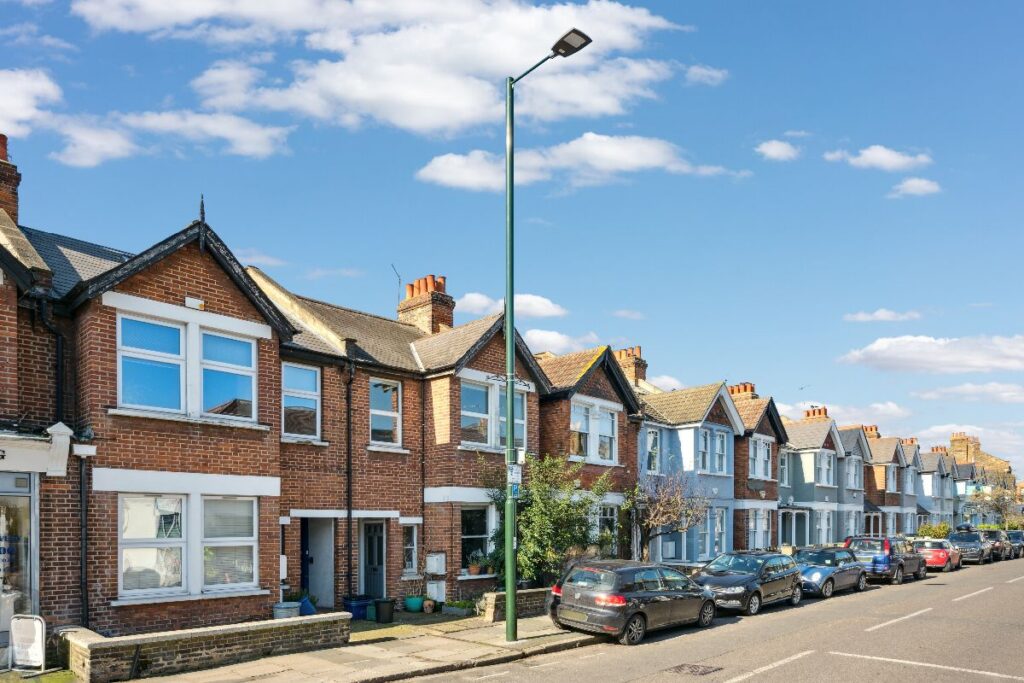
Owning the roof is not permission to alter it
Our client at White Hart Lane had already acquired the loft space and roof in an earlier transaction. That put them in a stronger position than most people contemplating a loft conversion, and it removed the question that usually dominates these matters — what the freeholder will charge for the space.
What it did not remove was the need for consent.
These are two separate questions and they are constantly conflated. Owning the loft space is a matter of title: what is included in your demise, and what the register says about it. Being permitted to carry out works is a matter of what your lease says about alterations. A leaseholder who has bought the airspace and assumes that settles it can still be in breach of covenant the moment the builders arrive.
It is worth adding, because it is widely misunderstood the other way round too: a loft conversion does not necessarily require a grant of airspace at all. A landlord can permit the works and grant rights to use the space without demising it. Buying the roof is one route, not the only one.
The practical point. Establish both positions before you commit to anything. Title tells you what you own; the lease tells you what you may do with it. You need favourable answers to both.
What the process actually involves
A licence to alter is a deed recording what may be done, on what conditions, and who carries the risk if something goes wrong. Getting one agreed is less about argument than about giving the landlord what they reasonably need to say yes.
In practice that means a clear description and drawings of the proposed works, structural evidence where the works affect the fabric of the building, confirmation that building regulations approval will be obtained, and terms dealing with the practical consequences — making good, insurance, access, hours of work, and the leaseholder’s responsibility for the altered parts thereafter.
The licence also has to sit alongside the statutory consents rather than substitute for them. Consent under the lease is not planning permission and it is not building regulations approval. Where the works affect a shared wall, a party wall award is a fourth requirement again. A leaseholder holding one and not the others has a problem that will surface on the next sale.
We took the client through it, agreed the licence with the landlord, and the conversion proceeded. No premium was payable, the space having already been acquired.
Why doing it properly matters later
The reason to obtain consent before the works rather than after is not principle. It is what happens on a sale.
A buyer’s solicitor will ask whether the alterations were consented to. If the answer is no, the sale stalls while a retrospective licence is negotiated from a position of no leverage, against somebody else’s timetable, or an indemnity policy is sought that the buyer may decline to accept. We have handled both, and neither is as cheap or as calm as doing it in the right order.
A loft conversion is also the kind of alteration nobody can pretend did not happen. It is visible, it is structural, and it changes the flat’s floor area. It is not a candidate for hoping the question never comes up.
When this applies to you
Thinking about converting a loft
Start with two documents: your lease and your title. Between them they establish whether the space is yours, whether you need the landlord’s consent to alter it, and on what terms that consent can be withheld.
If you already own the roof space, you are further ahead than most — but you still need the licence. If you do not, you may not need to buy it: a landlord can permit the works and grant rights over the space without demising it, which is often the cheaper answer.
Common questions
I own my loft space. Do I still need consent to convert it?
Almost certainly. Owning the space is a question of title; being permitted to carry out works is a question of what the lease says about alterations. The two are separate and both have to be satisfied.
Do I have to buy the airspace from my freeholder?
Not necessarily. A landlord can permit the works and grant rights to use the space without demising it, which is frequently cheaper than acquiring it. Buying the roof is one route rather than the only one.
What will the landlord want to see?
Typically drawings and a description of the works, structural evidence where the fabric of the building is affected, and confirmation that building regulations approval will be obtained — along with terms covering making good, insurance and access.
What if the works are already done?
A retrospective licence can usually be obtained, or an indemnity policy considered if your buyer and lender will accept one. Both are more expensive and more stressful than doing it in advance, because by then somebody else’s timetable is driving it.
Client names are not used in our case studies. Properties are identified by road, block and postcode only. Every matter turns on its own facts, and outcomes described here are not a prediction of what will happen in yours.