
What a Lease Extension Premium Is Actually Made Of
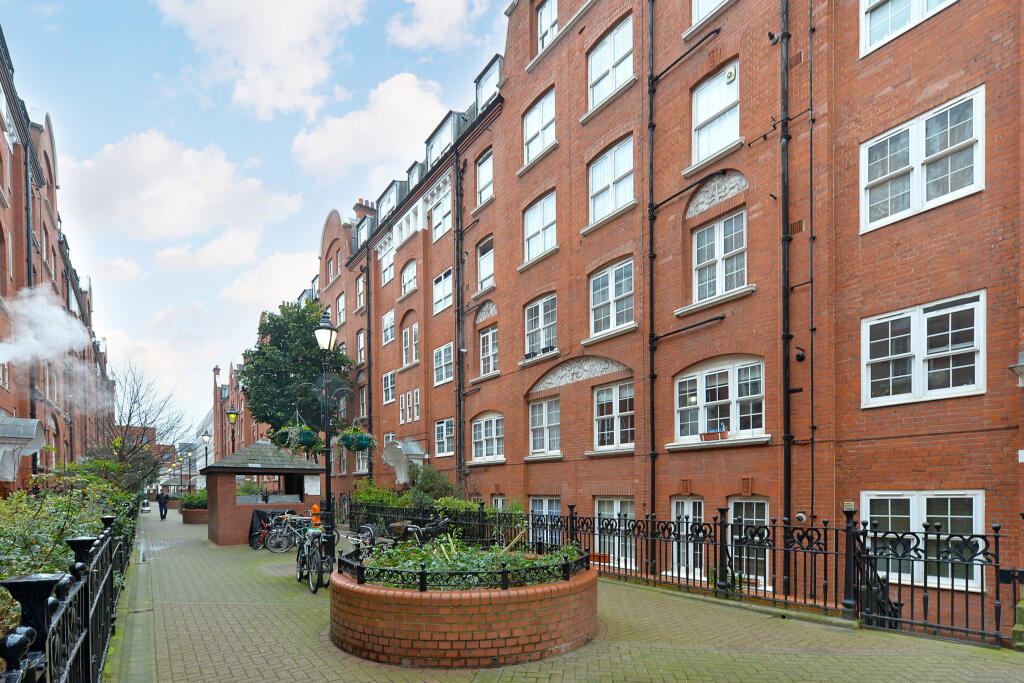
Jessel House, Westminster SW1. Eighty-three years unexpired, a council freeholder, and a figure arrived at from three separate components rather than plucked from the air.
At a glance
- Service
- Statutory lease extension
- Location
- Jessel House, Westminster, City of Westminster, SW1
- Property
- Flat in a purpose-built mansion block
- Landlord
- Westminster City Council
- Unexpired term
- 83 years
- Valuation
- Blakes Chartered Surveyors, who valued and negotiated the premium
- Outcome
- A new lease of 90 years on top of the existing term at a peppercorn ground rent, completed seven months from instruction
The three components of a premium
Leaseholders are frequently quoted a premium without ever being told how it was built. It is not a single number and it is not a matter of opinion. On a claim like this one it comes from three things.
The value of the reversion. The landlord owns the right to get the flat back at the end of the term. That right has a value today, discounted to reflect how far away it is. On an 83-year lease it is distant and the figure is correspondingly modest; on a 40-year lease it dominates the calculation.
The value of the ground rent. The landlord loses the income stream for the remainder of the term. That is capitalised at a rate reflecting how secure and how valuable the income is.
Marriage value, where it applies. Extending a short lease creates value — the flat with a long lease is worth more than the flat with a short one plus the freeholder’s interest. Where the unexpired term is below 80 years, the legislation requires that increase to be shared with the landlord. Above 80 years, it is not payable at all.
At 83 years, the third component fell away entirely. That is the single largest reason this claim cost what it did rather than considerably more, and it is why the date of the notice matters as much as the market.
The practical point. Ask for the components, not just the total. A premium you cannot see the workings of is a premium you cannot sensibly negotiate.
Why the valuer and the solicitor work together
Blakes Chartered Surveyors valued the flat and negotiated the premium, while we ran the claim.
Those two jobs are not separable in the way the fee structure of the industry implies. The date of the notice fixes the valuation date, so when the claim is served determines what is being valued. The terms proposed in the notice affect what the new lease will be worth. And the negotiation of the premium is bounded by the statutory framework the solicitor is operating within — deadlines, deemed withdrawals, the consequences of an invalid notice.
A valuer negotiating without reference to those constraints, or a solicitor serving without reference to the valuation, produces avoidable outcomes. Running both in step is the ordinary way we work rather than something exceptional.
A council freeholder, and a mansion block
Westminster City Council was the freeholder. Local authorities run their own internal approval timetables and their own precedent documents, and a claim that anticipates them moves at a different pace from one that does not. Seven months from instruction to completion reflects a process that ran without avoidable stops rather than any concession on the council’s part.
Purpose-built mansion blocks bring their own valuation considerations too — comparable evidence is usually plentiful within the same building, which cuts both ways. It narrows the room for argument about value, and it means a premium agreed on one flat is visible to everybody negotiating on the next.
When this applies to you
Before you accept a figure
Find out your unexpired term first. If it is anywhere near 80 years, the arithmetic changes sharply once it crosses, and the line cannot be recrossed.
Then ask what the premium is made of. Reversion, ground rent, and marriage value if it applies. A valuer should be able to show you all three, and a landlord’s figure that cannot be broken down that way is a figure worth questioning.
Common questions
How is a lease extension premium calculated?
From the value of the landlord’s reversion, the value of the ground rent they lose, and — where the unexpired term is below 80 years — a share of the marriage value created by the extension. Above 80 years, that third element does not arise.
Why do I need a valuer as well as a solicitor?
Because the premium is a valuation question and the claim is a legal one, and they interact. The date of the notice fixes the valuation date, and the negotiation runs inside statutory deadlines. Handling them in step avoids outcomes neither would produce alone.
Can my council refuse to extend my lease?
No. A qualifying leaseholder has a statutory right to a new lease, exercisable against a local authority freeholder in the same way as against any other landlord.
How long should it take?
This claim took seven months. Against a council freeholder the pace is largely set by their internal approval process, so anticipating it is what keeps a claim moving.
Client names are not used in our case studies. Properties are identified by road, block and postcode only. Every matter turns on its own facts, and outcomes described here are not a prediction of what will happen in yours.