
A Doubling Ground Rent, and an Application That Never Reached a Hearing
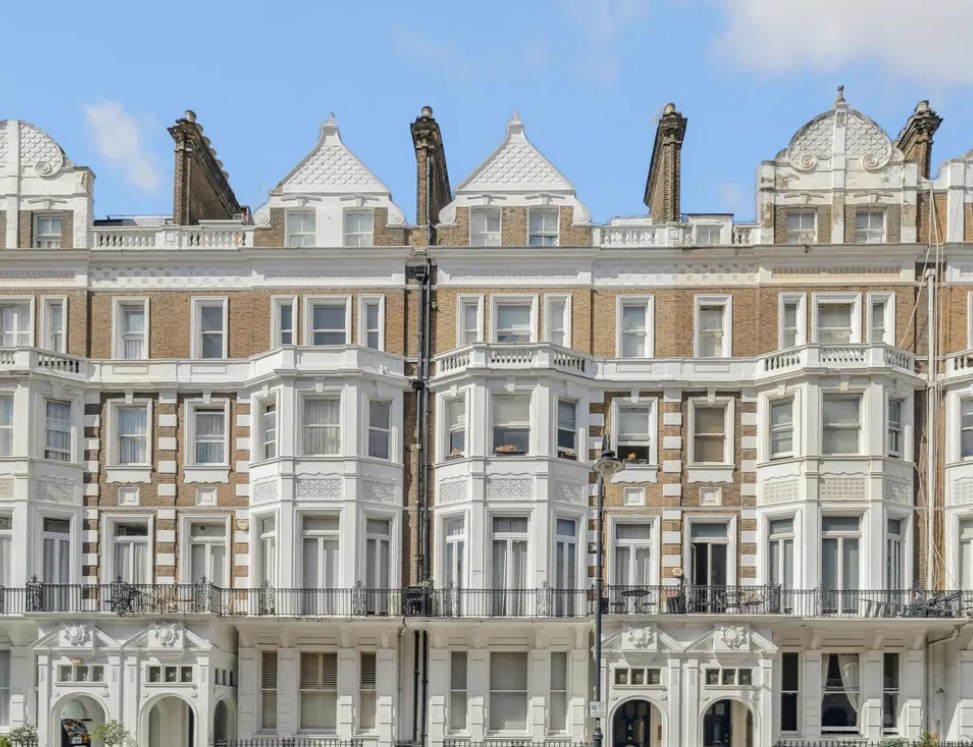
Harrington Gardens, South Kensington SW7. Sixty-five years unexpired and a rent doubling every 25 years — two problems at once, and terms that could not be agreed.
At a glance
- Service
- Statutory lease extension
- Location
- Harrington Gardens, South Kensington, Royal Borough of Kensington and Chelsea, SW7
- Property
- Flat in a period mansion conversion
- Unexpired term
- 65 years
- Ground rent
- Escalating by doubling every 25 years
- Outcome
- Terms could not be agreed, so an application was made to the First-tier Tribunal to determine the premium. It settled before the hearing, and the new lease was granted at a peppercorn, extinguishing the doubling rent entirely
Two problems, compounding each other
At 65 years unexpired, this lease was well below the 80-year threshold, so marriage value was payable and the premium was substantially higher than it would have been a decade earlier. That much was unavoidable.
The ground rent made it worse. A rent that doubles at fixed intervals is corrosive in a way its face value disguises. The figure payable today may be modest; what a valuer and a lender are looking at is the whole projected stream, and doubling compounds into a substantial capital sum over the remaining term.
The effect runs in three directions at once. It depresses the value of the flat. It narrows the pool of lenders willing to lend against it — in our experience caution sets in where ground rent exceeds 0.1% of the flat’s market value, or where reviews fall at intervals of less than twenty years, though thresholds vary between lenders. And it is capitalised into the premium payable to be rid of it, so the leaseholder pays for the rent stream twice over: once in reduced value while they own it, and once in the premium to extinguish it.
When terms cannot be agreed
Valuation on a lease of this kind involves more moving parts than a straightforward claim above 80 years, and more room for two competent valuers to reach different figures in good faith. Marriage value has to be apportioned. The rent stream has to be capitalised on assumptions about future value. Relativity — the relationship between the value of the existing lease and the value of the freehold interest — is contested territory in its own right.
Here the gap could not be closed by negotiation, so an application was made to the First-tier Tribunal to determine the premium.
It settled before the hearing. That is the usual pattern and it is worth understanding properly. An application is not an escalation for its own sake. It imposes a timetable and an independent decision-maker on a negotiation that has stalled, and the great majority of claims settle once both sides face preparing evidence for a Tribunal rather than exchanging letters. The willingness to make the application is frequently what produces the settlement.
The new lease was granted at a peppercorn, extinguishing the doubling rent.
The practical point. A Tribunal application is a negotiating reality, not a last resort. Firms that will not make one have less to work with, and landlords know which is which.
Weighing the application against cost and risk
None of which means an application is automatically right. Each side generally bears its own costs of the Tribunal proceedings, so there is a point at which the gap between the two figures no longer justifies the expense of arguing about it.
That calculation is the advice, and it has to be made honestly rather than reflexively. We have advised clients to accept a figure we thought slightly high because the cost and delay of contesting it would have exceeded the difference. Here the gap was worth pursuing, and pursuing it produced a settlement without a hearing — which is the best of both outcomes.
Where a matter does reach a hearing, we work with leading counsel for advocacy in the most contentious cases.
When this applies to you
If your ground rent doubles
Check the review pattern in your lease, not just the current figure. A rent of a few hundred pounds that doubles every twenty-five years is a materially different proposition from the same rent fixed for the term, both for what your flat is worth and for who will lend against it.
And if the unexpired term is anywhere near 80 years, the two problems compound. Dealing with them together, through one claim, is almost always cheaper than dealing with either alone later.
Common questions
Does a lease extension get rid of my ground rent?
Yes. A statutory lease extension is granted at a peppercorn, meaning nothing is payable. Here that extinguished a rent which had been doubling every twenty-five years.
What happens if we cannot agree the premium?
Either party can apply to the First-tier Tribunal to determine it. Most applications settle before the hearing, as this one did, because preparing evidence concentrates both sides considerably.
Who pays the costs of a Tribunal application?
Each side generally bears its own costs of the proceedings themselves. That is why the decision to apply has to be weighed against the size of the gap being argued about.
Why does a doubling rent matter so much to lenders?
Because they are assessing the whole future rent stream, not this year’s figure. Caution typically sets in where the rent exceeds 0.1% of the flat’s value or reviews fall more often than every twenty years, though thresholds vary between lenders.
Client names are not used in our case studies. Properties are identified by road, block and postcode only. Every matter turns on its own facts, and outcomes described here are not a prediction of what will happen in yours.