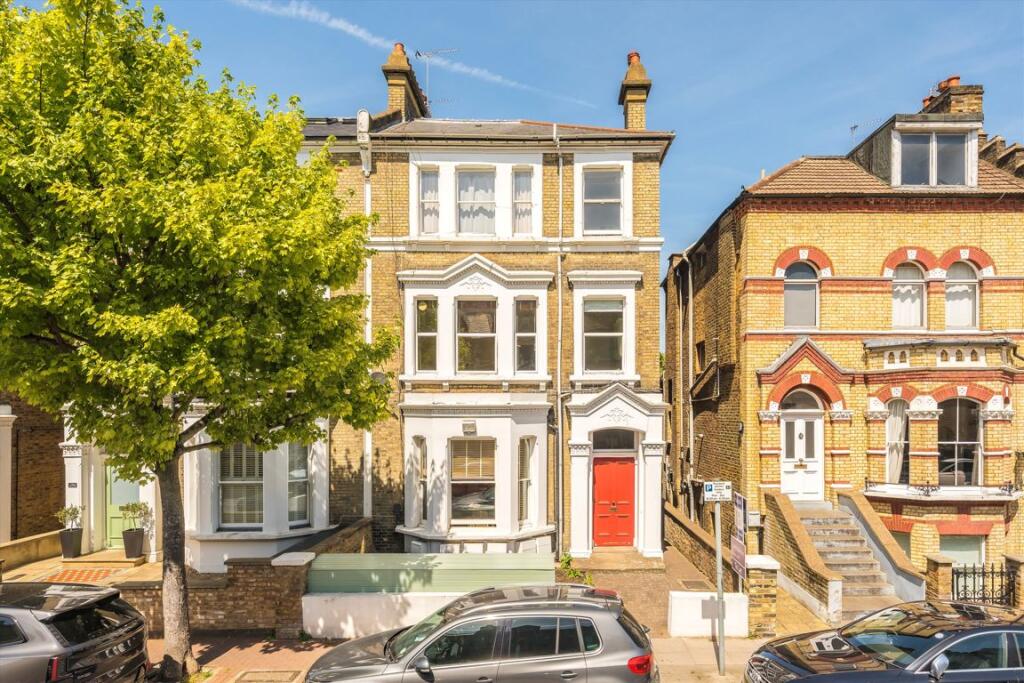
A Freeholder’s Refusal That Did Not Survive Contact With the Lease
Disraeli Road, Putney SW15. Consent for a rear and side return extension was refused on spurious grounds. We pressed the point, and the freeholder conceded.
At a glance
- Service
- Licence to alter
- Location
- Disraeli Road, Putney, London Borough of Wandsworth, SW15
- Property
- Ground floor flat in a period conversion, with the rear garden included in the demise
- Acting for
- The leaseholder
- Problem
- The freeholder refused consent for a rear and side return extension on grounds that did not stand up
- Outcome
- Refusal withdrawn, licence to alter agreed, and the extension built after the client obtained planning permission, building regulations approval and party wall agreements

The situation
Our client owned a ground floor flat on Disraeli Road with the rear garden included in the demise, and wanted to build a rear and side return extension. The lease required the freeholder’s consent, and the freeholder refused.
The grounds given were spurious. That happens more often than leaseholders expect, and it works more often than it should, because a refusal from a freeholder reads as final and most people treat it that way.
Why a refusal is the start of the conversation
It depends entirely on what the lease says. Where a lease provides that consent is not to be unreasonably withheld, that is an enforceable limit on the landlord rather than a courtesy. The landlord must have a reason connected to their legitimate interests in the building — the structure, the other residents, the value of the reversion.
Not caring for the works, or wanting to be paid for something they are not entitled to charge for, does not qualify. Neither does simple reluctance.
Two things made this claim straightforward once tested. The garden was already demised, so the works were on land our client held rather than land the freeholder could refuse outright. And the lease contained the qualifying words. We put that position to the freeholder and pressed it, and they conceded. The licence to alter was agreed.

The practical point. Read the consent clause before you accept a refusal. The difference between an absolute prohibition and a qualified one decides whether you have an argument at all.
What the leaseholder still had to do
Consent under the lease is one requirement among several, and people routinely conflate them. Our client went on to obtain planning permission and building regulations approval, and to agree party wall awards with the neighbours.
None of those substitutes for the other. A leaseholder with full planning permission and no licence to alter is in breach of their lease. A leaseholder with a licence and no building regulations approval has a problem that will surface on the next sale. All four had to be in place, and the extension proceeded once they were.
When this applies to you
If your freeholder has said no
Ask what the lease actually says about consent, and ask what reason has been given. A refusal with no reason attached, or a reason unconnected to the building, is not the end of it where the lease says consent is not to be unreasonably withheld.
Where the works extend beyond the parts demised to you, the position is different and the landlord is on much stronger ground. Establishing which of those you are in is the first piece of work, and it is usually quick.
Common questions
Can my freeholder simply refuse consent for an extension?
It depends on the lease. Where consent is not to be unreasonably withheld, the landlord needs a reason connected to their legitimate interests in the building. Where there is an absolute prohibition, or the works go beyond your demise, they are in a much stronger position.
What counts as an unreasonable refusal?
Broadly, a reason unconnected to the landlord’s interest in the building — or no real reason at all. Concerns about structure, the other residents or the value of the reversion are legitimate. Reluctance, or leverage for a payment the lease does not provide for, is not.
Do I need planning permission as well as a licence to alter?
Almost certainly, and building regulations approval, and party wall agreements where the works affect a shared wall. They are separate requirements from separate sources and holding one gives you none of the others.
Does it matter whether the garden is in my demise?
Considerably. Building on land already demised to you is a question of consent under the lease. Building on land you do not hold is a grant of something new, and the landlord can refuse outright or charge a premium for it.
Speak to us
Planning works, or been refused consent?
The first step is the same either way: read the lease and establish what consent is actually required, and on what terms it can be withheld.
Client names are not used in our case studies. Properties are identified by road, block and postcode only. Every matter turns on its own facts, and outcomes described here are not a prediction of what will happen in yours.