
Lease extension and freehold purchase solicitors in Camden
Camden is a borough of layered titles. The Bedford Estate still holds much of Bloomsbury, head leases and intermediate landlords are common across the borough, and establishing who your competent landlord actually is comes before anything else.
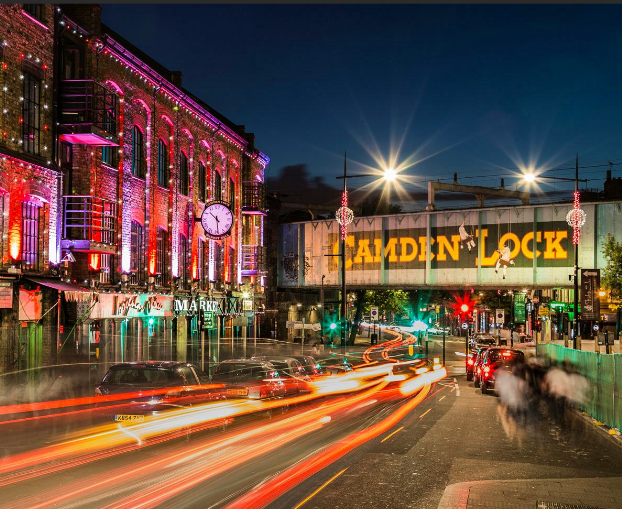
Acting for leaseholders across Camden
We act for leaseholders across the London Borough of Camden — Bloomsbury, Holborn, Hampstead, Belsize Park, Kentish Town, Camden Town, West Hampstead and Swiss Cottage — on lease extensions and collective freehold purchases.
What distinguishes Camden from most boroughs is the frequency with which there is somebody between you and the freeholder. Georgian and Victorian terraces held on long head leases, sublet as flats, sometimes with a further tier beneath. The name on your ground rent demand is often not the freeholder.
The second Camden feature is conservation area control. A very large proportion of the borough sits within one, which makes alterations consents genuinely contentious — and makes the alterations covenant in a new lease worth reading with unusual care.
Head leases, intermediate landlords and who you actually serve
Where a freeholder granted a long head lease and the head lessee granted the flat leases, there are at least two interests above you — and the statutory claim has to be directed at the right one.
The competent landlord is the landlord whose interest is long enough to grant the new lease you are entitled to. Where the head lease has, say, 150 years to run, the head lessee is competent and conducts the claim; where it is shorter than the extension you are claiming, the freeholder is. That determination is made from the titles, not from the demands, and it decides who is served.
Every intermediate landlord still has to be dealt with. They are entitled to be given notice, the premium is apportioned between the interests, and each may have its own solicitor and its own costs. That is why our fee schedule carries a charge for each additional party — it is genuinely more work, and it is one of the reasons Camden claims cost more than the equivalent claim in a simpler borough.
And a short head lease is its own problem. If the interest above you is running out, extending your own lease may not achieve what you think. Establishing the whole title structure before serving anything is not caution; it is the difference between a claim that works and one that does not.
The part the valuer does not do
A lease extension has two halves. One is the premium — a valuation exercise, and the reason to instruct a specialist surveyor. The other is the document you are handed at the end, and it is where a leaseholder is most exposed and least likely to be looking.
On a statutory claim under the 1993 Act the new lease must be granted on the same terms as the existing lease, save for the additional 90 years, the peppercorn rent, and a narrow set of modifications the Act permits — broadly to reflect changes to the property since the original grant, to deal with an interest the landlord no longer holds, or to remedy a genuine defect.
That is a protection, and it is only worth what the solicitor reading the draft makes of it. Landlords’ solicitors will frequently send a draft that is not a copy of your lease at all, and unless somebody compares the two line by line, the changes complete with the extension and bind you for the next century and a half. We check the draft against your existing lease clause by clause, and we resist anything the legislation does not permit.
What we look for in a landlord’s draft
Changes that alter what you pay. Service charge apportionment quietly replaced with “a fair proportion as determined by the landlord”. Widened recovery provisions for management costs, professional fees and reserve funds. New administration charges. Insurance commission made recoverable. Repairing obligations shifted from landlord to leaseholder.
Changes that alter what you may do. A qualified alterations covenant turned absolute, removing the statutory protection that consent may not be unreasonably withheld. New restrictions on subletting or short-term letting. Rights newly reserved to the landlord to build on the roof or run services through your flat. Wider forfeiture provisions, or indemnity covenants the original lease never contained.
None of this is hypothetical, and very little of it is announced. It arrives as a clean engrossment described as being “in the same form as the existing lease”, and it is found only by comparison. Some modifications are legitimate — our job is to distinguish those from the ones that simply improve the landlord’s position, and to say so in writing before anything is agreed.
Areas we cover
Estimate your premium
Our lease extension calculator gives an indicative premium range from three figures: the unexpired term, the ground rent payable and the value of your flat. It is a starting point for a conversation rather than a valuation, but it will tell you the order of magnitude before you commit to anything.
If your flat has fewer than 90 years remaining, or a ground rent that rises at intervals of less than twenty years, it is worth running the numbers now rather than at the point you decide to sell.
Common questions
There is a head lease on my building — who do I serve my notice on?
The competent landlord: the one whose interest is long enough to grant the lease you are claiming. It is determined from the titles rather than from your demands, and the other landlords are given notice and have the premium apportioned between them.
Does an intermediate landlord make a claim more expensive?
Yes, generally. Each additional party may instruct its own solicitor and valuer, whose reasonable costs you meet, and there is more work in the claim itself. Our fee schedule reflects that with a charge from £350 plus VAT for each additional landlord or third party.
My flat is in a conservation area — does that affect my licence to alter?
It does not change the landlord’s consent, which is a separate question governed by your lease. But it makes planning and building control materially harder, and a licence to alter satisfies neither. Both need dealing with, and in Camden the planning side is usually the slower of the two.
The head lease above my flat is short — does that matter?
It can matter a great deal. If the interest above you is running out, extending your own lease may not achieve what you expect, and the freeholder may need to be brought in. Establishing the whole structure before serving anything is essential in this borough.
Tell us about your Camden flat
The address, the unexpired term and the ground rent if you know them, and who your freeholder is. If you have received an offer from your landlord, send that too. We will tell you where you stand, what a claim is likely to cost, whether the statutory or voluntary route suits you better — and, if an offer has been made, what is actually in it. The first conversation is at no cost.